

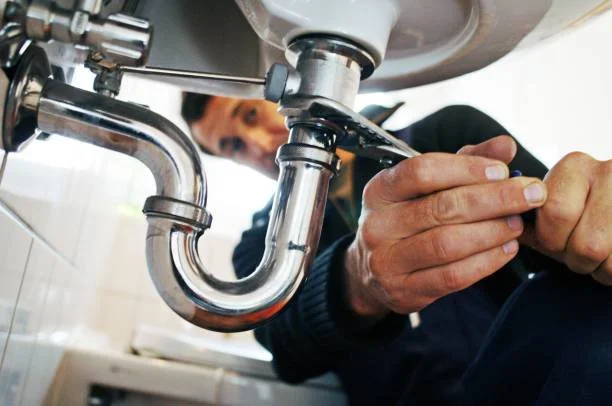
Sump Pump Repair in Arvada, CO
Your Basement Is One Heavy Rainstorm Away from Disaster—Here's How to Prevent It
You're sleeping peacefully when the storm hits. Rain pounds your roof. Thunder cracks overhead. Then your phone buzzes. A text from your smartphone water sensor: basement water detected. Your heart sinks. By the time you reach your basement, water is already pooling around boxes, furniture, and appliances. Thousands of dollars in damage happening in real time.
This nightmare scenario plays out for Arvada homeowners every spring during snowmelt and every summer when intense thunderstorms roll through. The culprit? A failing sump pump that's silently losing its ability to protect your home.
At Mile High Plumbing Electric Air, we've rescued hundreds of Arvada families from basement flooding by providing expert sump pump repair services that catch problems before they become catastrophes. Our licensed plumbers understand Arvada's unique water challenges—clay soil, seasonal snowmelt, unpredictable summer storms—and we're available 24/7 to keep your basement dry and protected.
What Are the Warning Signs That My Sump Pump Is Failing in Arvada?
Your sump pump works silently 24/7, moving water away from your foundation and basement. Most Arvada homeowners never think about their pump until it fails. By then, it's often too late. Learning to recognize early warning signs gives you time to call a professional before disaster strikes.
Visual Red Flags
A properly functioning sump pump should be nearly invisible—you shouldn't see signs of problems. If you notice any of these visual indicators, professional inspection is urgent:
Water pooling in the sump pit - If water level remains high despite the pump operating, your pump isn't evacuating water properly. This is one of the clearest signs of pump failure in Arvada basements.
Visible rust or corrosion on the pump exterior or discharge piping indicates deteriorating components that will soon fail completely. Rust compromises structural integrity and reduces lifespan significantly.
Cracks in the pump housing signal irreversible damage requiring replacement. Cracked pumps cannot hold pressure and will leak.
Discoloration or staining on basement walls above the sump pit suggests water is overflowing the system, indicating the pump cannot handle the water volume.
Algae or sediment buildup in the sump basin means your pump isn't cycling properly or discharge isn't removing water efficiently.
Unusual Sounds Demand Attention
A sump pump should run with a dull hum. If you hear these sounds, something is wrong:
Grinding or clicking noises indicate mechanical jams—something is stuck in the impeller or motor bearings are wearing out. These sounds mean the pump is working harder than it should and will soon fail.
Loud humming or buzzing without water discharge suggests the motor is running but the impeller is jammed, preventing water movement. This overheats the motor and leads to burnout.
Rattling or vibrating indicates loose components inside the pump or unsecured mounting. Vibrations worsen over time and eventually cause catastrophic failure.
Complete silence when water level rises means the float switch isn't triggering the pump to activate—a critical failure requiring immediate professional attention.
Operational Warning Signs
These performance issues often precede complete failure:
Pump doesn't activate during heavy rain - If water rises in your pit and the pump doesn't turn on, your float switch has failed or the pump lost power. This is an emergency requiring same-day repair.
Continuous running without shutting off suggests water is either returning to the pit (clogged discharge line) or the float switch is stuck. Continuous operation overheats the motor and leads to burnout within days.
Frequent on-and-off cycling (more than once per minute) indicates short cycling—either water is backing up into the pit, the sump basin is too small, or the float adjustment is wrong. This stresses the motor and shortens pump lifespan dramatically.
Weak water discharge or no water ejection despite pump running means something is blocking the intake (clogged screen) or discharge line (frozen or obstructed in Arvada's climate). The pump runs but accomplishes nothing.
Basement Environmental Changes
Sometimes problems show up as environmental issues:
Musty odors in the basement despite having a sump pump indicate water is pooling or sitting too long in the pit. This creates mold risk and suggests pump isn't removing water efficiently.
Visible mold or mildew growth on basement walls means humidity is accumulating faster than your sump pump can manage. This often indicates an undersized pump for Arvada's seasonal water surge.
Increased humidity and dampness in areas that were previously dry suggests your pump is failing to keep water away from the foundation.
Age Is a Factor
Sump pumps typically last 7-10 years. If your pump is approaching this age and showing ANY of these warning signs, replacement is likely the smart choice rather than continuing to repair an aging system.
How Often Should I Have My Sump Pump Inspected and Maintained in Arvada, CO?
Regular maintenance is the most cost-effective way to prevent emergency failures. Yet many Arvada homeowners neglect their sump pumps until disaster forces them to act.
The Ideal Maintenance Schedule
Minimum: Annual inspection completed 2-4 weeks before heavy rain or snowmelt season. For Arvada, this typically means:
Late February or early March (before spring snowmelt begins)
Or July-August (before intense summer thunderstorm season)
Ideal: Twice-yearly inspections for maximum protection:
Spring inspection (March-April) before snowmelt season
Fall inspection (September-October) after peak use
Critical Testing: After major rain events or heavy snowmelt; if you notice any warning signs between regular inspections; before extended periods away from home (if flooded basement develops, you want the sump pump working).
Arvada's Seasonal Realities Make Regular Maintenance Essential
Spring snowmelt in Arvada creates significant water table surge. High groundwater pressure builds against your foundation during March-May. A pump that's neglected all winter may fail just when you need it most. Pre-spring inspection ensures your pump can handle the seasonal surge.
Summer thunderstorms bring intense rainfall—sometimes 1-2 inches in 30 minutes. An undersized or failing pump that handles normal conditions will struggle during these events. Fall inspection after the storm season allows maintenance of pump components stressed by heavy use.
What's the Difference Between Pedestal and Submersible Sump Pumps, and Which Is Better for My Arvada Home?
Choosing the right pump type matters. The two main options serve different situations—understanding which fits your home prevents future problems.
Pedestal Sump Pumps: Simple, Affordable, Easy Maintenance
How They Work: Motor mounted on a pedestal above the sump pit; intake draws water from below; simple exposed design.
Best For: Shallow or narrow sump pits (less than 18" deep); homes where sump basin space is limited; older Arvada homes with small foundation sump areas; homeowners watching their budget; situations requiring frequent maintenance access.
Advantages:
Lower initial cost ($100-$300 versus $300-$600 for submersible)
Simpler design means fewer components to fail
Easy access for inspection and repairs
Longer potential lifespan (10-15 years) if maintained properly
Less prone to motor failure from water damage
Repair costs typically stay under $500
Better for homes with limited water issues
Disadvantages:
Louder operation—noticeable motor noise that can disturb sleep
Limited water capacity compared to submersible pumps
Motor not protected from dust or debris falling into pit
Not ideal for high-volume water situations
Can overheat if motor intake becomes blocked
Less powerful discharge for long distances
Submersible Sump Pumps: Powerful, Quiet, Built for Emergencies
How They Work: Entire pump unit sits underwater in the sump pit; sealed waterproof housing contains motor, impeller, and discharge components; compact design.
Best For: High-volume water situations (basements prone to frequent flooding); deep sump pits or areas with high water tables; homes with finished basements where pump noise matters; Arvada properties experiencing significant seasonal snowmelt; locations requiring long discharge distances; emergency protection.
Advantages:
Much more powerful—handles high-volume water efficiently
Quiet operation—underwater location muffles noise
Compact design takes minimal space in sump pit
Motor stays cool running submerged
Excellent for emergencies and peak water conditions
Ideal for Arvada's seasonal water surges
Better handles heavy summer storms or spring snowmelt
Disadvantages:
Higher initial cost ($300-$600)
More complex sealed design means trickier diagnosis
More prone to corrosion and electrical issues from water exposure
Repair costs typically $200-$1,000+
Motor wear accelerates if run continuously
Shorter average lifespan (7-10 years) than pedestal
Requires professional service for any repairs
Sump Pump Repair vs. Replacement: Making the Right Choice
The decision between repairing your existing sump pump or replacing it entirely has major financial implications. Here's how to decide.
Repair Is the Better Choice When:
Pump is relatively new (less than 7 years old)
Problem is a single component (float switch, impeller, or discharge line)
Repair cost is under $300-$400
Pump has warranty coverage
You've maintained the pump regularly
Pump is appropriate size for your home's water conditions
Replace Is the Better Choice When:
Pump is aged (7-10+ years old with current problems)
Multiple repairs have been needed in past 2-3 years
Motor is burnt out or severely damaged
Repair cost exceeds $400-$600
Pump is undersized for current water table conditions
You notice declining performance over multiple years
Structural damage exists (housing cracks, severe corrosion)
Emergency Repairs Can't Wait
If your sump pump fails during heavy rain or snowmelt, repair versus replacement decisions become secondary to immediate protection. Mile High Plumbing Electric Air's emergency sump pump repair service responds 24/7 to diagnose problems and provide immediate solutions. Once the emergency is addressed, you can make a calm decision about permanent repairs or replacement.
Frequently Asked Questions About Sump Pump Repair in Arvada
-
Yes, especially in Arvada where power outages during storms coincide with peak water table conditions. Battery backups ($300-$800) provide insurance against flooding during outages. Mile High can install and maintain backup systems.
-
Undersizing (pump can't handle seasonal surge), clogged discharge lines, float switch failure, electrical issues, or motor burnout from continuous operation.
-
Pour water into the sump pit; the pump should activate when water reaches a certain level. If nothing happens, professional diagnosis is needed.

Don't Wait for Basement Flooding to Call a Professional
Your sump pump is working right now to protect your home. Most of the time, you never think about it. But when it fails—and eventually it will need service—you need someone you can trust to respond quickly and provide expert repairs.
Mile High Plumbing Electric Air has been Arvada's trusted plumbing partner for years. We understand your sump pump's critical role in protecting your basement, foundation, and home. We know Arvada's unique water challenges—spring snowmelt, summer thunderstorms, clay soil conditions—and we're equipped to handle any sump pump issue.
Don't let a failing sump pump become a basement flooding disaster.
Protect Your Arvada Home Before the Next Storm Hits.
Whether your pump is showing warning signs, hasn't been inspected in years, or has already failed during a rainstorm, Mile High Plumbing Electric Air is ready to help. Call (303) 859-0100 right now for immediate sump pump repair, or visit our contact page to schedule an inspection.